核心内容
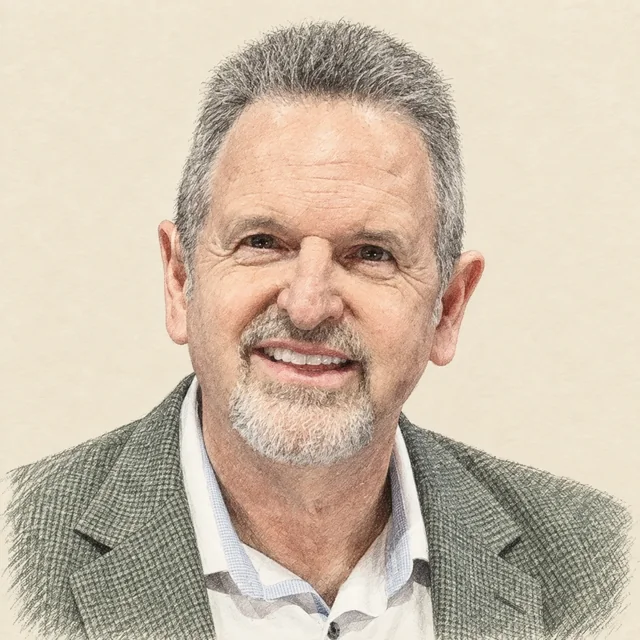
Rene Haas 讨论芯片架构的重新定义,关注计算平台与 AI 工作负载之间的关系。
介绍依据 · 发布标题 · 完整内容待核读
编辑导览,依据原始来源 ↗,整理于 2026-10-06。 介绍只说明标题中的讨论议题,不据此判断讲者结论。
尽管加速器主导了 token 生成,但在向推理和强化学习转型的系统级架构中,CPU 始终是负责数据仲裁与端侧执行的核心编排者;随着小型端侧设备功耗约束凸显,兼顾高能效与指令集生态的架构将迎来新一轮爆发。
原话
2逐字核对过;核对了说话人和位置The token factory just generates all these tokens. It's it's like literally where are the trucks that are going to take the tokens away and give them to the users. That's what CPUs do. So until something's invented that says the CPU has gone away and we're now doing it through some other mechanism which has yet been defined or invented, the CPU is going to be doing just fine.
You have to have it to do all the things that are required in the edge device. But now we have an opportunity with our uh instruction set architecture to do a lot of things where you just can't put a 50 watt GPU on your head, right? You're going to have to do that AI processing somewhere locally.
主张
1转述不加引号;附原文依据和位置,核对范围见语境与收据Rene Haas 指出,当 AI 负载由预训练转向推理与递归强化学习时,CPU 作为系统编排与仲裁核心的不可替代性反而大幅上升。
相关
 游凯超 × 张小珺:开源推理引擎 vLLM、软硬件协同与大模型 Infra 演进
游凯超·张小珺访谈录·访谈 · 2026-07-28
同话题 · 算力与芯片
游凯超 × 张小珺:开源推理引擎 vLLM、软硬件协同与大模型 Infra 演进
游凯超·张小珺访谈录·访谈 · 2026-07-28
同话题 · 算力与芯片 AWS CEO Matt Garman:为 AI 智能体建设云基础设施
Matt Garman·a16z·访谈 · 2026-10-08
同话题 · 算力与芯片已核对原话
AWS CEO Matt Garman:为 AI 智能体建设云基础设施
Matt Garman·a16z·访谈 · 2026-10-08
同话题 · 算力与芯片已核对原话 递归语言模型
Alex Zhang·Latent Space·播客 · 2026-10-02
同话题 · 算力与芯片已核对原话
递归语言模型
Alex Zhang·Latent Space·播客 · 2026-10-02
同话题 · 算力与芯片已核对原话 自动研究让我们的模型快了 3 倍:GPU 算子搜索与防作弊
Tejas Bhakta·AI Engineer·演讲 · 2026-09-26
同话题 · 算力与芯片已核对原话
自动研究让我们的模型快了 3 倍:GPU 算子搜索与防作弊
Tejas Bhakta·AI Engineer·演讲 · 2026-09-26
同话题 · 算力与芯片已核对原话 纳德拉谈 Copilot、AI 反弹与微软的未来
Satya Nadella·Sources·访谈 · 2026-09-25
同话题 · 算力与芯片已核对原话
纳德拉谈 Copilot、AI 反弹与微软的未来
Satya Nadella·Sources·访谈 · 2026-09-25
同话题 · 算力与芯片已核对原话 Ali Ghodsi:开源代币分流、强化学习网络风险与前沿减速悖论
Ali Ghodsi·a16z·播客 · 2026-09-18
同话题 · 算力与芯片已核对原话
Ali Ghodsi:开源代币分流、强化学习网络风险与前沿减速悖论
Ali Ghodsi·a16z·播客 · 2026-09-18
同话题 · 算力与芯片已核对原话