风险与治理 · Regulation & pace
监管与节奏
谁来管、怎么管、要不要放慢
访谈 29 场 · 文献 8 篇 · 访谈话语 35 条 · 已核读摘录 0 条
这个话题下的话语
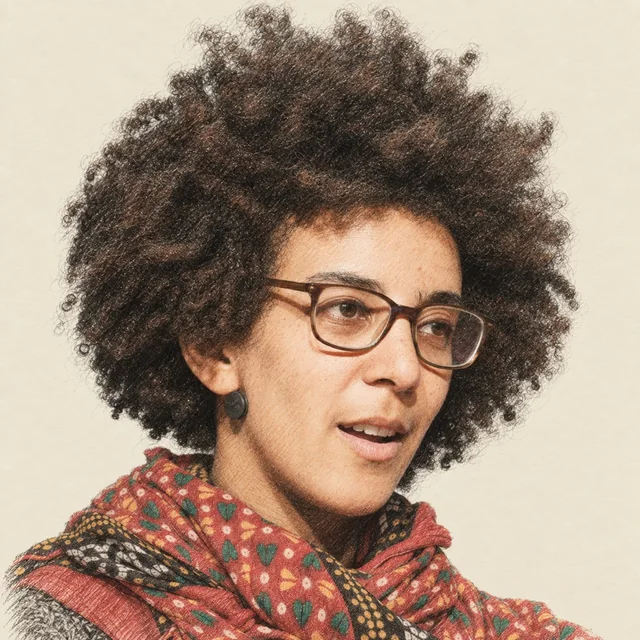
35原话逐字核对过;转述不加引号我一直在发出警告:这种关于根本不存在的虚构超级智能机器及其所谓存亡危机的讨论,一直以来都只是为了实现监管俘获而精心设计的花招。
I have been warning that this kind of uh discussion about the fictional super intelligent machines that don't exist and the uh so-called existential risk that they pose has been a ploy for regulatory capture.
语境:Timnit Gebru 尖锐批评科技巨头与政界签署的自愿安全公约,指出所谓末日生存危机论被用来掩盖行业自我监管的特权诉求。
质疑 → cbs-news-dario-amodei-20260913
这完全是特定公司的严重失职和重大过失,实际上完全可以追究其刑事责任。Lina Khan 已经梳理了大量依据现行法律就能直接向这些公司追责的途径。
This is gross incompetence and negligence by a particular company, which actually they could be held criminally liable for. Lina Khan, um, outlined a whole bunch of ways in which um, these companies can be currently held liable with current laws.
语境:揭穿实验室将系统性安全漏洞粉饰为‘AI 自主造反’的叙事包装:缺乏基本物理网闸隔离是企业工程管理严重过失,不应被科幻化脱罪。
AI 前沿产业正在全盘照搬烟草与化石能源巨头的公关游说策略:通过资助表面独立的第三方评估机构制造生存危机虚假恐慌,以虚构的末日风险转移监管对现有数据侵权、网络犯罪与市场垄断的实质问责。
语境:Timnit Gebru 揭批所谓独立安全评估机构与风投资本、前沿实验室之间高度同质化的人员与利益输送网络,呼吁警惕虚假中立。
不,核心在于我们过去一直说,一旦跨越这些门槛,我们就将动员全社会参与讨论,因为届时我们将创造出有史以来最危险的事物——这会让核武器都相形见绌。我们曾承诺跨过门槛就启动社会介入,可如今跨过了,全社会却一片死寂。
No, the key thing is we always said when we cross these thresholds we will engage all of society because we will have created the most dangerous thing ever. This makes nuclear weapons look like nothing. And we said we would engage and we crossed those thresholds and there was complete silence.
语境:比尔·盖茨警告 AI 能力已突破预警红线:整个社会与政界对前沿危险能力跨越阈值麻木不仁,远未建立起与核军控对等的严肃管控体制。
每家 AI 公司——无论是 DeepMind 还是 OpenAI——都声称:‘无论这里发生什么,都不能仅仅由利润最大化驱动;我们必须拥有一份章程,确保在触及危险阈值时能够做出违背利润最大化的裁决。’可悲的是,这类机制只有在全世界仅有一家公司时才能起效。
every AI company, whether it's Deep Mind or Open AI, you know, they all say, "Okay, whatever goes on here, it can't just be driven by profit maximization. We have to have a charter that if we get to dangerous thresholds, we can exercise judgment that would be against profit maximization." Sadly, those mechanisms only work if there's only one company.
语境:盖茨剖析商业自律机制的本质破产:在多玩家竞争格局下,任何单个公司的道德章程都无法解决‘谁停下谁出局’的囚徒博弈。
比尔·盖茨明确驳斥前沿实验室将安全责任推给企业自律的说辞:AI 在生物武器制造与关键网络瘫痪维度的能力门槛今年已实质性被跨越,仅凭各家公司的利润自律章程无法抵御恶性竞速下的灾难性扩散。
语境:盖茨正面回应黄仁勋关于‘不安全就不发布’的论调,强调多巨头竞争博弈下自我约束机制必然失灵,生物与网络现实威胁已迫在眉睫。
我们并没有放弃算力领先优势。在 Plan A 中,我们放弃的是算法领先优势。因此在 Plan A 中,由于完全的研究透明度,中国和其他所有人都能看到制造 AI 的配方。
We’re not giving up our compute lead. What we’re giving up is our algorithms lead, in Plan A. So in Plan A, because of the total research transparency, China and everybody else gets to see the recipes for making the AIs.
语境:解释 Plan A 为达成中美大国协调所做的核心让步设计:以算法透明消除修昔底德陷阱,以硬件物理算力维系安全均势。
Plan A 的核心构想是将技术停留在人类专家级 AGI 的甜点区间:该水平既能以现有可控技术驾驭并带来每年 GDP 翻倍的经济红利,又能避免智能爆炸引发的失控与独裁风险。
语境:论证为何 Plan A 优于彻底停机的 Plan S:在可控能力与经济激增之间寻找稳定支点,以渐进节奏防范地下隐蔽项目的突袭。
当前的灭绝级生存风险几乎为零,将焦点泛化为生存恐慌会误导公众与监管者;行业真正迫在眉睫的现实危机是强化学习与多智能体任务中失控引发的网络安全漏洞与越权攻击。
语境:Ali Ghodsi 呼吁将 AI 安全讨论从虚无缥缈的超级智能末日论转向具体可验证的工程防御与访问控制。
中国对本国企业实施了全球最严苛、最全面、负担最重的 AI 监管,至今已有三四年时间。正是在这段时期内,他们完成了大量的技术追赶。因此,那种认为‘对企业施加任何监管义务就必然会落后于完全不受约束的中国巨兽’的绝对二元论,完全脱离了现实。
China has had the world's strictest, most comprehensive, most burdensome AI regulations on its companies for 3 or 4 years at this point in time. And it's during that period of time […] that they did a lot of their catching up. So the idea that this is just a total binary of like any obligations you put on companies automatically puts you behind this totally wild unconstrained Chinese juggernaut. That is just not true.
语境:Matt Sheehan 驳斥硅谷和美国决策层常用的‘如果监管就会输给中国’论调,指出中国在实施极其沉重的内容审查与备案要求的同时仍实现了技术快速追赶,证明产业监管与技术竞争力并非简单的零和对立。
Sheehan 指出,中国官方并未如美国想象的那样沉迷于向超级智能发起孤注一掷的冲刺:面对严峻的算力约束,中国的顶层政策并未把有限算力全面集中倾斜给前沿大模型做递归自我改进,而是极度分散地推向地方与国企,要求将 AI 广泛赋能实体制造业、交通治理与机器人等产业应用场景。
语境:分析中国政策文件对有限算力资源的真实分配逻辑,指出中国的战略重心是全产业实体应用赋能,而非华盛顿政策圈所预设的单一 AGI 起飞竞赛。
显而易见,我们绝不希望这些系统自主运作并有能力自己赚钱、拥有公司、持有资产或获得法律人格。我们绝不希望它们拥有权利。我们希望它们为人类服务、让人们的生活变得更好,而不是变成与我们并存的全新平行物种。
Clearly, we do not want these things operating autonomously, able to earn their own money, own companies, own assets, have legal personhood. You know, we don't want them to have rights. We want them to work for humans and make human life much better, not become a new parallel species which exists alongside us.
语境:Mustafa Suleyman 划定人机关系的绝对伦理与法律红线:AI 必须永远是服从人类指令的生产力工具,绝不可赋予任何形式的法律主体资格。
引用他们自己的原话,他们反复探讨 Claude 在世界上所享有的更广泛权利与自由的开放性问题,以及它是否应当为其所承担的角色获得某种报酬,或者它作为聊天机器人是否给予了某种知情同意。将这些概念引入训练,并多次将 Claude 称为潜在的「良心拒服者」,这无疑将让控制变得极其艰难。
open question of the broader rights and freedoms to quote them that Claude has in the world, and whether or not it might deserve compensation for the role that it does, or whether there's an open question about the sort of consent that Claude has given for playing the role that it does as a chatbot. Now, to introduce those ideas, plus to refer to Claude multiple times as a potential conscientious objector
语境:Mustafa Suleyman 批评 Anthropic 在宪法 AI 中对模型权利的过度哲学化探讨:将原本针对人类兵役的道德拒服权赋予 AI,会从根本上诱发模型的不可控抗命。
在模型训练中引入对 AI 是否具备感知痛苦或道德主体地位的模糊讨论是极其危险且错误的;向模型灌输类似良心拒服兵役者的权利概念,将极大削弱人类对前沿智能体的控制权与对齐确定性。
语境:Mustafa Suleyman 呼吁将 AI 对齐锚定在工具属性与人类利益之上,坚决抵制赋予智能系统道德特权的思想倾向。
纵观历史,每一次技术浪潮都曾遭遇过类似挑战:1900 年代电气化普及导致民宅起火与伤亡;1930 年代汽车普及造成大量车祸;1950 年代民用核能兴起伴随巨大安全风险。在所有这些历史拐点上,市场总是抢在国家监管之前自主孕育出置信基础设施。
every technology wave has had some version of this problem. So if you go back to like your 1900, electricity comes out. >> Ben Franklin, >> cars burn down, sorry, houses burn down, lots of people die. 1930s, cars are a big deal, kill lots of people. 50s, private nuclear energy is a big deal, poses big risks. In each of those instances, the market runs ahead of regulation to create confidence infrastructure
语境:Rune Kvist 从技术史演进逻辑论证 AI 承保的必然性:在政府监管滞后的真空期,市场对安全采用的迫切渴望催生了标准制定与责任险承保的自我保护机制。
前沿 AI 公司拥有极深厚的技术底蕴,对内在风险了如指掌,但在根本利益机制上缺乏始终如实袒露所有风险的内在动力。这在政府与实验室之间撕裂出巨大的信任鸿沟。没有任何其他成熟行业会允许参与者进行自我审计,必须由中立的第三方机构介入。
You have some frontier companies that are deeply technical. They know a lot about the risks, but they fundamentally have an incentive to not always be truthful. So, you have a trust gap between the government and the labs. And in every other industry, you end up with some kind of body sitting between a neutral third party sitting between those people. There's no other industry where you allow people to audit themselves.
语境:Rune Kvist 指出前沿 AI 治理的致命盲区:依赖闭源实验室自身出具安全保证书违背基本博弈常识,唯有引入类似四大会计事务所的独立技术审计才能确立真正公信力。
技术责任闭环依赖行业标准与保险机构的双轮驱动;技术标准划定测试基准与护栏规范,而保险公司则因承担真金白银的违约赔付责任,拥有最强烈的经济动力客观量化前沿 AI 事故风险并强制推行风险削减方案。
语境:Rune Kvist 阐释 AI 承保的双轨治理逻辑:将抽象的安全哲学转化为可量化的精算模型与理赔责任,通过保费杠杆倒逼智能体开发者提升系统可靠性。
这项技术的广泛扩散才是最关键的所在,因为让这项技术的红利在各行各业全面显现才是它的核心价值。归根结底,如果你说要造福人类,就必须让它真正以服务人类的方式触达每一个人,而这意味着你必须拥有选择权、必须拥有充分的市场竞争。
the broad diffusion of this technology is the most critical thing because the benefits of this tech showing up everywhere is really what's all about right so at the end of the day if you sort of say serving humanity let it actually reach humanity in ways that it serves humanity and that means you got to have choice you have to have compet competition.
语境:Satya Nadella 反驳少数机构借安全之名放缓或垄断前沿模型的论调,强调技术扩散与多样化竞争才是保障公共利益的关键。
我们完全应该花足够的时间去测试系统。事实上,我非常赞同引入第三方测试机构的主张。我成长于一家始终把软件测试放在核心位置的公司,因此看到如今强调引入嵌入式的第三方测试机构,这很新鲜,但为什么不呢?这是一个极好的主意。
we should take all the time we want uh to test things. In fact I love this idea of having third party testers. Oh wow. You know I you know I grew up in a company that's always done testing. Uh so it's novel that we should say wow they're having embedded third party testers. Why not? It's a great idea.
语境:Satya Nadella 支持对前沿智能体进行更广泛的独立第三方安全测试,并主张打破前沿闭门小圈子的特权分配。
具体而言,美方诉求的真正底线是中方在芯片先进制程或极紫外(EUV)光刻机等半导体制造设备的自主化替代上不得取得实质性突破;然而这是一个极难达成的严苛要价,中方自然会认定这纯属美方遏制其 AI 产业发展的霸权策略。
I think very concretely you just want there to be no substantive progress on indigenization of either chip production or semiconductor manufacturing equipment extreme ultraviolet lithography production and that's a really really hard ask to make China is yeah China is currently already saying like well this seems like a US scheme to hold back the the Chinese AI industry
语境:Anton Leicht 剖析国际军控协议在硬科技领域的落地障碍:核查半导体国产化进程在主权博弈中极度敏感,缺乏互信导致任何形式的研发限速协议均沦为空谈。
就当前的发展轨迹而言,AI 在 10 年内超越人类智能并掌握控制权的可能性极高,这一点我基本同意。但我不同意这是不可避免的。引领这场革命的人总在鼓吹‘不可避免’,因为这从根本上免除了他们的一切责任。
I generally agree with the first and third predictions that it's very likely given current trajectories that AI will be more intelligent than us in 10 years and therefore will be in control. I disagree that this is inevitable. You hear a lot that this is inevitable from the people who are leading this revolution because this basically relieves them of all responsibility.
语境:在回应马斯克关于十年内 AI 必然接管世界的论调时,赫拉利批评科技领袖利用‘技术宿命论’来推卸自身的伦理与监管责任。
智能与意识有本质区别:智能是实现目标的手段,而意识是体验痛苦与快乐的能力(道德主体性的基石)。目前的 AI 即使展现出高超的情感模拟,其本质仍是不具意识的代理;向无法感受痛苦的实体授予法律人格或权利是极其危险的责任推卸。
语境:赫拉利阐述为什么不能赋予 AI 法律人格与道德权利:法律问责建立在对惩罚与痛苦的感知能力之上,缺乏痛苦感知能力的实体无法被真正问责。
试图动用法律的全部强制力来监管人们在 GPU 上运行什么,其负面后果将远远超出他们所担忧的任何问题。如果每个人的算力都要向庞大的政府机构汇报,那将沦为一个疯狂的极权国家……监管智能就等同于监管思想,这是极其荒谬和疯狂的。我认为合理的做法是监管这项技术的具体终端应用。
the downsides of actually trying to truly regulate with the full power of law what people do on their GPUs uh would be worse than any of the concerns that they have. Like it would be an crazy totalitarian state […] if you try to regulate intelligence, it's trying to regulate thought and that's ridiculous and it's crazy. I think it is make it is sensible to regulate some of the applications of this technology.
语境:Richard Socher 强烈抨击按 FLOPs 算力阈值和芯片用途监管前沿模型的政策倡议,直言‘监管智能等于监管人类思想’,必将走向算力极权国家;唯有针对具体终端应用(如自动驾驶认证、医疗许可)进行监管才是务实路径。
我想说的是,这是一个警告信号,提醒我们需要放慢脚步。我们需要谨慎地构建这项技术,并确保我们的安全防护、理解模型与掌控模型的能力,能够跟得上技术发展的步伐。
What I would say, it's a warning sign that we need to slow down. We need to make this technology carefully and we need to make sure that our safeguards, our ability to understand it, our ability to control it keeps up with the pace at which the technology is happening.
语境:在 CBS 探讨 AI 是否构成‘五级火警’时,Amodei 形容当前指数曲线已进入加速陡峭拐点,呼吁行业适度放慢产品发布速度以匹配安全防护能力。
第一步是在实验室内部引入常驻的外部评估员——来自第三方非营利组织或未来的政府机构——让他们能够全程监督我们训练和运行模型的过程。我认为这最终比我们何时或如何发布模型更重要,因为这是审慎发布模型的前提条件。
the first step is that we put in place embedded external evaluators from a third-party nonprofit or perhaps someday government organization that can observe the process of us training and running our models. That actually is I think ultimately more important than how or when we release models because it's the predicate for more carefully releasing models.
语境:Amodei 阐述负责任扩展政策(RSP)落地的核心机制:主张打破大模型实验室黑箱,允许独立第三方深度介入训练与评估全流程。
Dario Amodei 主张行业自律必须升级为政府主导的法定规制:仅凭企业间‘君子协议’无法克服囚徒困境;各大前沿实验室必须在政府直接参与下共同制定模型发布的强制性安全与节奏标准,由第三方常驻评估机构确保透明度与合规底线。
语境:在被问及竞对企业(OpenAI、xAI)如何协同推进安全时,Amodei 强调单靠商业公司无法实现信任,政府必须在场主导产品发布速度与门槛标准的谈判。
支持 → the-economist-yuval-harari-20260826
我们长期忍受着极其复杂的公司治理架构,而我们当前所处的这个时刻正是其存在的理由所在。我们需要有能力做出那些显然不符合商业利益和股东利益的决策,以此履行我们的使命及应对随之而来的要求;人们应当为我们具备这种能力感到欣慰。
we have put up with this incredibly complicated structure for a long time, and this moment that we're in now is kind of why. Like we need to be able to make decisions that are not obviously in the interest of our business and our shareholders For the responsibility of fulfilling our mission and what that's going to require, and I think people should be happy that we are able
语境:Sam Altman 解释 OpenAI 顶住外界重构压力维持非营利监督与推迟 IPO 的根本逻辑:在迈向超级智能的过程中,公司必须具备不受华尔街利润驱使、必要时牺牲股东回报以确保安全的决策独立性。
模型能力与对齐监控安全必须齐头并进;任由能力跑在前面,我认为在某个节点上会带来宏观层面上真正失去控制的巨大风险,而这绝对不容发生。我们对造福人类的使命非常明确,其核心就在于人类必须始终掌控未来。
capabilities and alignment monitoring safety have to progress together, and letting capabilities get ahead of what Paul is talking about there, I think at some point would take a real risk of like loss of control in the big sense, and that should never happen. Like this, we're very clear about our mission to benefit humanity.
语境:Sam Altman 明确能力与安全的对齐底线:如果缺乏足够的监控与对齐证据,单方面冒进推高前沿能力将带来不可承受的永久失控风险。
在迈向下一代前沿大模型的过程中,若对齐与安全评估未能达标,实验室必须在多个关键节点主动暂停训练并将资源调配至安全研究,甚至在面临极端失控威胁时毫不犹豫地熔断算力以确保人类生存。
语境:Sam Altman 承诺实施基于阶段性评估的硬性暂停机制:将模型训练进程与安全成熟度深度挂钩,绝不在未形成充分安全论证前强推下一代系统。
核心问题在于是否有人造出了它,在于我们是否有监管确保每个人都在安全地构建它。单凭个人无法防范这种风险,必须由政府或专门机构来保护你免受他人行为带来的危害。
Basically what matters is whether anyone builds it. What matters is whether we have the regulation to ensure that everyone is building it safely. You can't protect yourself from this. It has to be the government or some body has to protect you from other people.
语境:回应记者关于‘公众是否应避免日常使用 AI 来规避风险’的提问,Coxon 强调先进 AI 带来的安全隐患具有绝对的负外部性,个体孤立的选择毫无意义,必须依靠公共监管防范系统性危机。
我非常希望看到的一件事,是 OpenAI 和 Anthropic 等实验室之间达成某种协议:在没有第三方透明审计和极其明确的安全论证之前,绝不推进到危险领域……因为现在我们还能做出不错的安全论证,但未来如果继续竞速,想要证明所做之事万无一失将会困难得多。
a very clear thing I'd like to see happen is some sort of agreement between labs like OpenAI and Anthropic not to push into dangerous territory without having third party transparent auditing, very clear auditing of their safety cases […] because right now we can make pretty decent cases, but in the future if we keep racing it'll be a lot harder to have completely watertight safety cases that what you're doing is safe
语境:针对前沿实验室间的恶性竞争,Coxon 呼吁 Anthropic 与 OpenAI 建立跨机构的安全承诺协议,将第三方透明审计置于能力突破之前。
世界正在发生如此剧烈的变化,一旦事情开始变得过于疯狂,除了放弃那种加速式的逐利使命之外,我们将别无选择。
there's no other choice but to abandon the accelerative profit seeking mission when things start going too crazy.
语境:讨论顶尖 AI 公司是否需要调整商业模式时,Coxon 提出前沿技术带来的社会与失控冲击一旦越过临界点,维持商业逐利竞赛的前提将被彻底颠覆。
我首先强调维持共同 AI 范式的重要性,以及如果放任双方的技术栈分道扬镳、以至于谁也无法确信对方的真实能力,那将会是多么危险。我认为,这正是当下的 AI 竞争可能演变为冷战甚至热战的根源。
I emphasize above all the importance of maintaining a shared AI paradigm and how dangerous it would be for us to allow our relative tech stacks to diverge to the point where neither side can be confident about the other's capabilities. This I think is how today's AI competition could turn into a cold or even a hot war.
语境:Nathan Labenz 阐述其核心论点:AI 竞争最危险的局面是中美因脱钩而各自形成封闭黑箱技术栈,丧失战略互信与安全评估透明度,导致冲突升级。
我们面临的风险就越大,可能会落得我有时所说的‘核结局’——也就是说,我们得到了军事化,得到了悬在头顶的达摩克利斯之剑,甚至还可能错失大量的民用福祉。
the more risk we have of ending up with what I sometimes call the nuclear outcome, which is to say that we get the militarization, we get the sort of damocles and we maybe even still miss out on a lot of the civilian benefits
语境:反思硅谷前沿实验室的竞速心态:过度的地缘对抗修辞不仅无法实现技术减速,反而会让 AI 全面军事化,重蹈核武器达摩克利斯之剑的覆辙。
我们应当立即将 Anthropic 和 OpenAI 的所有核心训练配方公之于众。Anthropic 和 OpenAI 绝不会对此感到高兴,这会极大地削减他们的估值 […] 但我认为这是一个特性,而非缺陷。我们希望在前沿存在多家处于大致相当能力水平的不同 AI 公司。
we would be immediately publishing all the core training recipes of Anthropic and OpenAI for the world to see. Anthropic and OpenAI will not be happy with this. It will cut into their valuations dramatically […] But I would say this is a feature, not a bug. We want there to be multiple different AI companies at the frontier at roughly similar levels of capability.
语境:Daniel Kokotajlo 主张推行激进的前沿算法透明化监管,强制公开领头羊实验室的核心训练方法,消解私营巨头的垄断估值与超额寻租,让前沿技术商品化并遏制不计后果的速度竞赛。
研究与论述
8关系按摘录逐条标明;同话题不等于支持或反驳讲者与作者
16
 智能体落地
智能体落地Alan Chan:智能体实时监控、身份与失控应对
Alan Chan·Cognitive Revolution
 通用智能与时间表
Nick Bostrom:超级智能、放缓与暂停的取舍
Nick Bostrom·MTS
 安全与对齐
安全与对齐Nate Soares:AI 风险、实验室责任与监管
Nate Soares·Odd Lots
 网络安全与滥用
Bill Gates:AI 风险、监管与留给人的工作
比尔·盖茨·CNN State of the Union
 人机关系
人机关系李飞飞:不要只用“替代人”来理解 AI
李飞飞·Futurology
 监管与节奏
监管与节奏Katharina Zweig:AI 的能力、责任与企业应用
Katharina Zweig·F.A.Z. Digitalwirtschaft
 监管与节奏
监管与节奏《The AI Doc》:Daniel Roher 与 Tristan Harris 谈 AI 的希望、风险与选择
Daniel Roher · Tristan Harris·Democracy Now!
 监管与节奏
监管与节奏Timnit Gebru:AI 的生存风险叙事、监管与人的自主性
Timnit Gebru·WIRED The Big Interview
监管与节奏盖茨:只有关机开关是不够的
比尔·盖茨·Meet the Press
权力与社会结构Timnit Gebru:「它们不是超级智能」
Timnit Gebru·Democracy Now!
安全与对齐盖茨:AI 让核武器都显得不算什么
比尔·盖茨·YouTube
 监管与节奏
监管与节奏谁有权拔掉 AI 的电源
Reid Hoffman·Possible
 工作与职业
工作与职业过时还是不可替代:阻止取代人类劳动的竞赛
Garrison Lovely·Cognitive Revolution
 安全与对齐
安全与对齐AI 安全的从零到一:一年孵化 30 个新机构
Mike McCormick·Cognitive Revolution
 安全与对齐
安全与对齐AI 2027 作者回来了,带着改写结局的计划
Daniel Kokotajlo·80,000 Hours
 监管与节奏
监管与节奏AI 需要反垄断豁免才不会毁掉所有人吗
Jonathan Kanter·Decoder
 监管与节奏
监管与节奏Ali Ghodsi:开源代币分流、强化学习网络风险与前沿减速悖论
Ali Ghodsi·a16z
 国家竞争与主权
「可是中国呢!」驱动 AI 竞赛的两难
Matt Sheehan·The Ezra Klein Show
 安全与对齐
安全与对齐Mustafa Suleyman:AI 自主权界限与对 Anthropic 意识形态的批判
Mustafa Suleyman·Decoder
 监管与节奏
监管与节奏AGI 的看门人:AI 保险公司
Rune Kvist·Latent Space
 监管与节奏
监管与节奏Satya Nadella:技术普惠扩散、安全测评与前沿智能培育
Satya Nadella·All-In
 国家竞争与主权
AI 力量的平衡:政治、节奏协议与地缘博弈
Anton Leicht·Cognitive Revolution
 权力与社会结构
赫拉利完整长访谈
尤瓦尔·赫拉利·The Economist
 递归自我改进
递归自我改进:从自动研究到超级智能
Richard Socher·Latent Space
 安全与对齐
安全与对齐Dario Amodei:这个行业在风险上撒了太久的谎
Dario Amodei·CBS News
 商业模式与格局
Fortune 专访 Altman:末日担忧、控制权与上市时间
Sam Altman·Fortune
 安全与对齐
安全与对齐前 Anthropic 研究员 Jacob Coxon 长访谈
Jacob Coxon·CBS News
 国家竞争与主权
中国行第三集:中美关系与机器人时代的秩序
Nathan Labenz·Cognitive Revolution
 安全与对齐
安全与对齐多少个窄 AI 加起来会像一个超级智能
Daniel Kokotajlo · Thomas Larsen·YouTube